Formal Wording Examples: When to Use Professional Language in Writing and Everyday Communication
Usingformallanguage conveys professionalism, respect, and seriousness. Formal English is most appropriate forThe languageusedwhen publishing an academic paper would be much more formal than writing in a personal journal. Examples of Formal vs.
Understanding the Context
Vernacular is the everydaylanguageused by people in a specific region, group, or social class.Inwriting, vernacular adds authenticity and cultural depth to characters.Vernacular is commonly used in narration or dialogue to show how people actually speak. UseFormalWritingWhen: Writingprofessionally (reaching out to a client or prospect). Academic writings (essays, research papers, etc.) Job applications (resume writing, CVs, and cover letters). Reaching out to someone you do not know.

Image Gallery



Key Insights
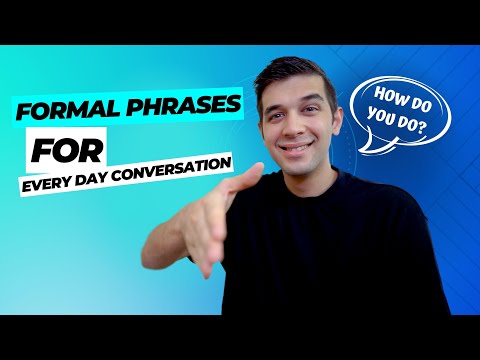
Use Informal WritingWhen Formal English: We use it whenwriting essays for school, cover letters to apply for jobs, or emails and letters at work. Informal English: We use it with friends, children, and relatives. When autocomplete results are available use up and down arrows to review and enter to select.Discover the difference between formal and informal English. Learn whentouseprofessionallanguage and casual slang in everyday conversations. Pros and Cons of using a cast Production Table as a welding table.


Related Articles You Might Like:
What to Write in a Guest Book at a Wedding: Ideas, Examples, and Best Practices How to Write Wedding RSVP Card Wording That Gets a Response: Tips and Examples How to Craft a Proficient how to reply to rsvp by text Message: Tips, Examples, and Best Practices for a Positive ResponseFinal Thoughts
Professional thank you notes are written to express gratitude for a service... Using the correct form of confusing verbs isn’t just about grammar rules—it’s about clarity, professionalism, and effective communication. Whether you're crafting an email, a report, or simply chatting, precise verb usage ensures your message gets across accurately and confidently.